Authentic Mexican Cuisine vs. Modern Mexican Cuisine: What’s the Difference?
Mexican food can look very different from one restaurant to another.
One menu might focus on familiar tacos, ceviche, guacamole, and traditional sauces. Another might take those same Mexican flavors and pair them with lobster, octopus, pasta, or ingredients from other cuisines.
Both can have a place in Mexican dining.
The difference usually comes down to how a chef approaches the ingredients, recipes, and traditions behind the food. Authentic Mexican cuisine is closely associated with regional traditions and established cooking practices, while modern Mexican cuisine gives chefs more freedom to reinterpret those foundations.
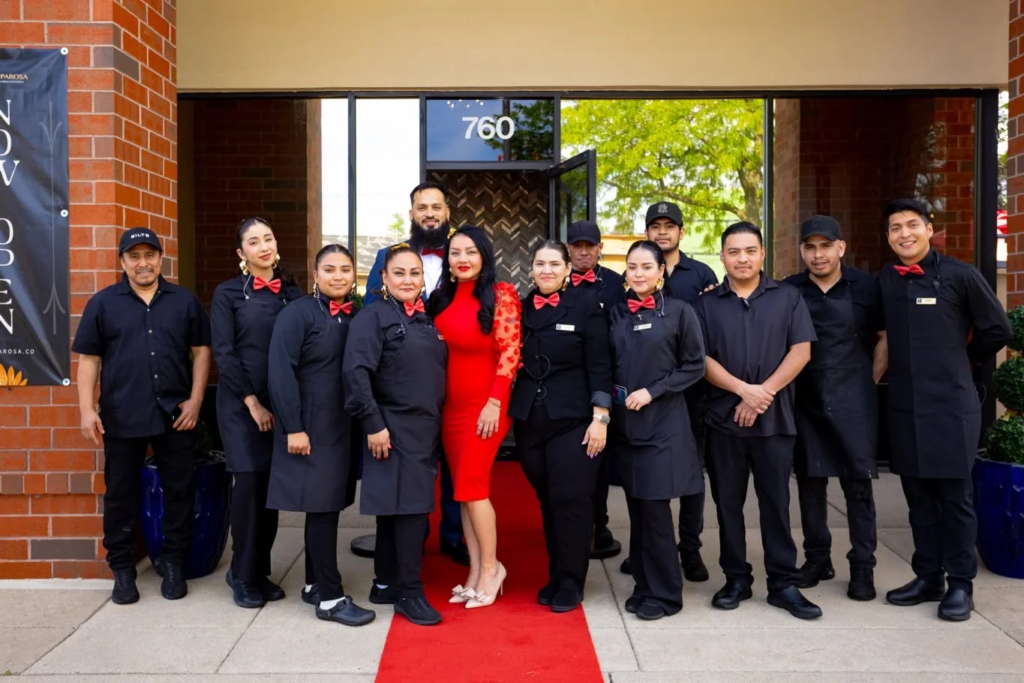
Restaurants can also combine both approaches. La Chuparosa in Waukegan is one example, describing its menu as a tribute to Mexican culinary heritage while incorporating modern techniques and ingredients from around the world.

What Is the Difference Between Authentic and Modern Mexican Cuisine?
Authentic Mexican cuisine comes from Mexico’s rich regional food traditions, with recipes, ingredients, and cooking techniques passed down through generations. Modern Mexican cuisine takes those familiar foundations and gives them a contemporary twist, whether through different cooking methods, creative presentation, or unexpected ingredient combinations. Mexican fusion goes a step further by bringing Mexican flavors and techniques together with influences from other cuisines. The lines between these styles can sometimes blur, and it’s common for a restaurant to serve traditional-inspired favorites alongside more modern creations.
What Is Authentic Mexican Cuisine?
There is no single definition of authentic Mexican food because Mexico does not have one uniform culinary tradition.
Food varies considerably across the country’s regions and communities. Ingredients, preparation methods, recipes, and cooking techniques can carry strong regional and family connections.
Traditional Mexican cuisine is also more than a collection of recipes. The knowledge of ingredients, preparation, and cooking has been passed down through generations and is recognized as an important part of Mexico’s cultural heritage.
That is why authenticity cannot be judged simply by how a dish looks.
A simple dish can have a deep connection to Mexican culinary traditions. A tortilla, mole, salsa, or chile-based preparation may carry more cultural context than an elaborate plate created for a contemporary dining room.
At the same time, authentic Mexican food does not have to look rustic. Traditional recipes can be served in a polished restaurant, and familiar ingredients can be presented in a more refined way without automatically losing their connection to Mexican cooking.
What Is Modern Mexican Cuisine?
Modern Mexican cuisine takes traditional influences and approaches them differently.
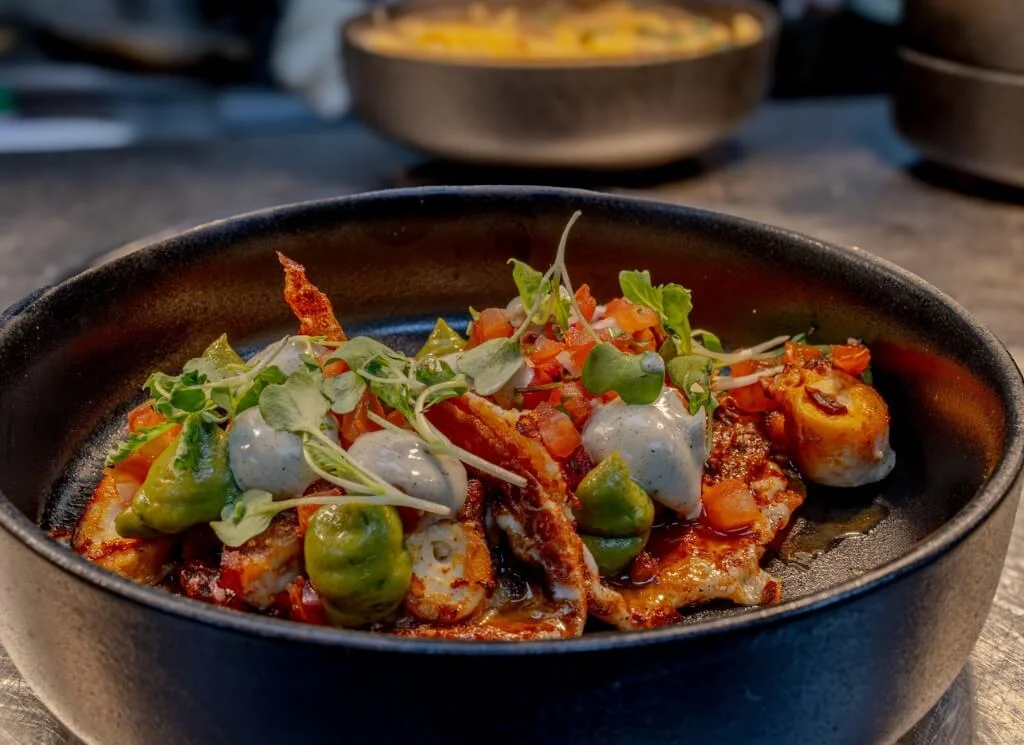
The changes can be subtle. A chef might use a different cooking technique, introduce an unfamiliar ingredient, or change the way a familiar dish is presented.
Sometimes the result is still immediately recognizable as Mexican. In other cases, the connection is found in particular ingredients, sauces, seasonings, or techniques rather than in the overall format of the dish.
This is where modern Mexican cuisine starts to overlap with fusion cooking.
Rather than following one traditional preparation from beginning to end, a chef can take elements of Mexican food and combine them with ideas from another culinary tradition.
What Is Mexican Fusion Cuisine?
A Mexican fusion restaurant typically combines Mexican flavors, ingredients, or techniques with influences from other cuisines.
The idea becomes easier to understand when you look at actual dishes.
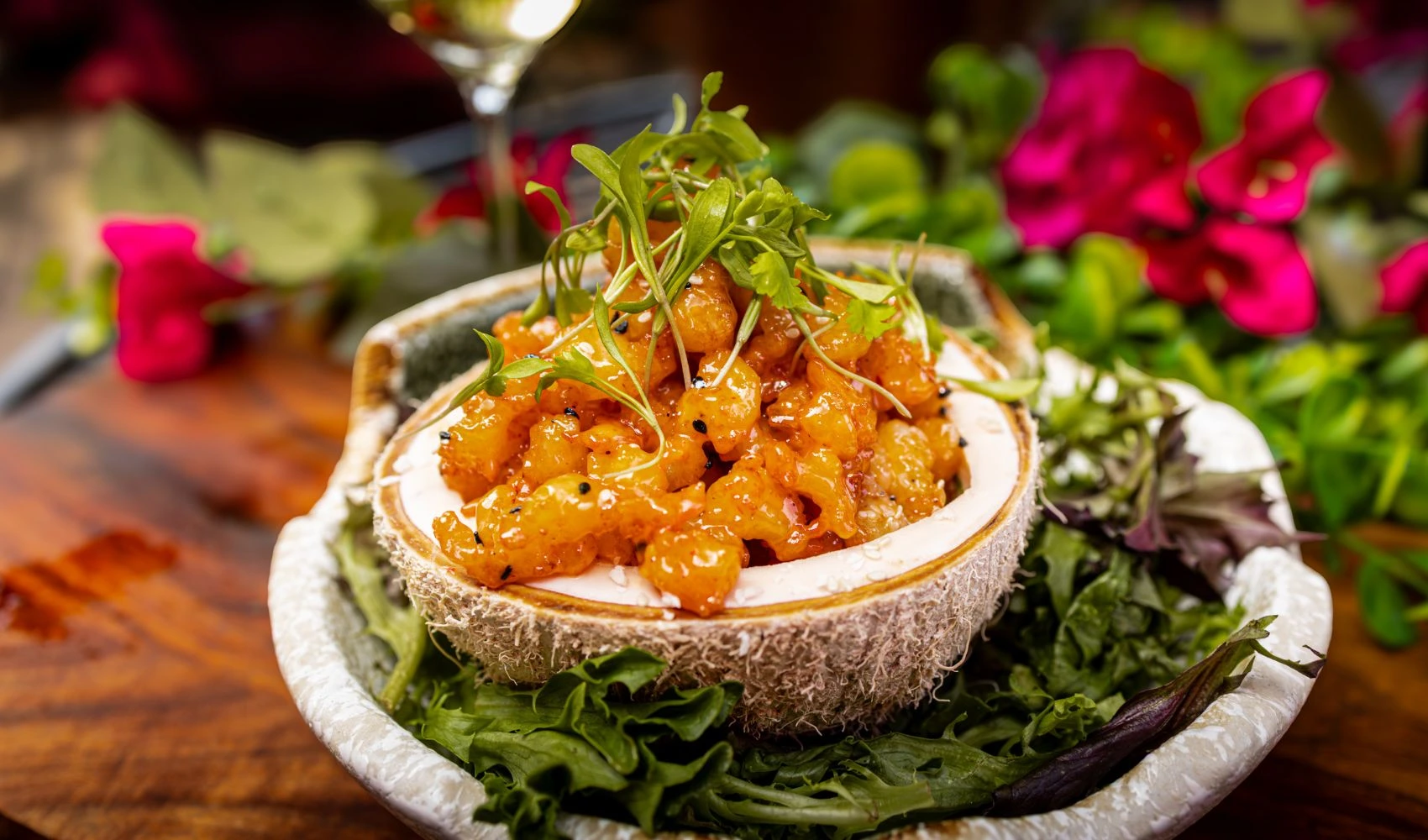
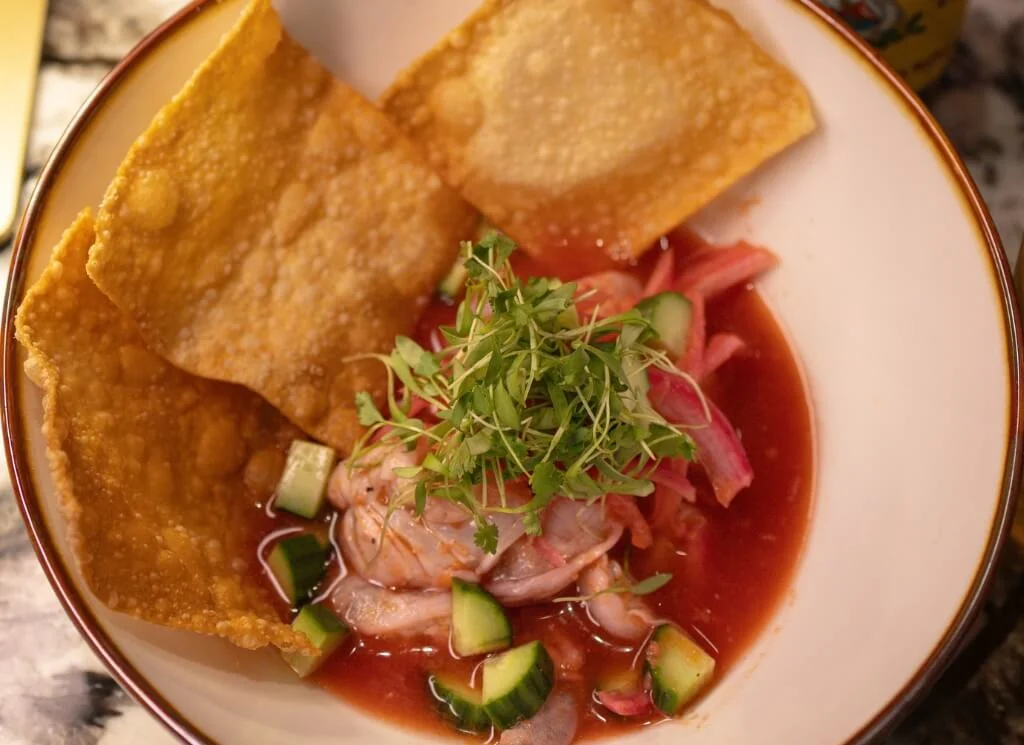
At La Chuparosa, the menu includes familiar Mexican-inspired choices such as Tinga Taquitos and Mango Shrimp Ceviche. It also features dishes such as Mexican Wheel Shrimp Pasta, Poblano & Pulpo Risotto, and Aguachile Chuparosa.
The Mexican Wheel Shrimp Pasta, for example, combines penne, Parmesan, tequila flambé, shrimp, chipotle, bacon, broccolini, and asparagus. The Poblano & Pulpo Risotto pairs grilled octopus with roasted vegetables, poblano rajas, a creamy sauce, and Parmesan.
Those combinations illustrate what modern fusion can look like on a restaurant menu. Mexican ingredients and flavor profiles remain part of the experience, while the format and other ingredients take the dish beyond a conventional Mexican preparation.
A Taco Can Be Traditional or Contemporary
Tacos are a good example because the basic format is familiar, but there is almost no limit to how a chef can interpret it.
A traditional taco might focus on a relatively small number of ingredients and a preparation closely associated with a particular regional style.
A contemporary taco can take the format in a different direction.
La Chuparosa’s menu includes Lobster Tacos made with lobster, corn tortilla, mozzarella, mixed greens, red pickled onion, macha sauce, and micro cilantro. Its Gold Medal Tacos combine pork belly, octopus, mango, macha sauce, avocado aioli, i and other toppings.
The restaurant also lists a Korean Taco featuring pork belly, pico de gallo, mango, avocado aioli, ashes aioli, and xnipec.
These dishes demonstrate the difference without requiring a complicated definition. The taco remains a familiar Mexican format, but the ingredients and combinations give each version a contemporary character.
Does Modern Mexican Food Have to Be Fusion?
No.
Modern Mexican cooking and Mexican fusion are related, but they are not the same thing.
A chef can modernize a dish without bringing in another cuisine. The change might involve presentation, technique, or the way ingredients are combined.
Fusion is more specifically about bringing elements from different culinary traditions together.
That distinction matters because not every contemporary Mexican dish needs an international influence to be considered modern.
A chef could take a traditional Mexican sauce, change the preparation technique or present it in a new format while keeping the flavor profile firmly rooted in Mexican cooking.
What Makes an Upscale Mexican Restaurant Different?
The term upscale Mexican restaurant usually describes the overall dining experience rather than one particular style of food.
An upscale restaurant may emphasize detailed presentation, premium ingredients, elaborate preparations, and a more polished setting. That does not mean traditional Mexican flavors have to disappear from the menu.
La Chuparosa’s menu demonstrates that range. Along with tacos, ceviche, and taquitos, it offers dishes including Lobster & Ribeye, Tomahawk, New York Strip, Pistachio Crust Salmon, and Aguachile Rib Eye.
Its About Us page describes the restaurant’s approach as drawing on Mexico’s culinary heritage while elevating traditional recipes with modern techniques. It also highlights house-made tortillas and signature mole sauces.
That combination allows a restaurant to offer familiar Mexican flavors while creating dishes suited to a contemporary dining experience.
Is Traditional Mexican Food Always More Authentic?
Not necessarily.
The word “authentic” can become misleading when it is treated as a simple test of whether food looks traditional.
Mexican cuisine has developed across different regions, communities, and generations. Traditional cooking itself contains considerable variation.
A contemporary dish may depart from a familiar recipe while still drawing directly from Mexican ingredients or culinary techniques.
The reverse is also true. A dish can use ingredients associated with Mexico without necessarily representing a traditional Mexican preparation.
For diners, it can be more useful to ask where a dish’s flavors and techniques come from rather than relying only on its appearance.
Traditional and Modern Mexican Food Can Be on the Same Menu
There is no rule that says a restaurant has to choose one approach.
A single meal can include traditional-inspired dishes alongside contemporary creations.
At La Chuparosa, for example, diners can find Tinga Taquitos and Mango Shrimp Ceviche alongside Lobster Tacos, Mexican Wheel Shrimp Pasta, Poblano & Pulpo Risotto, and Aguachile Chuparosa.
That range can be useful when dining with a group. Someone who prefers familiar Mexican flavors can order accordingly, while another diner can explore something more experimental.
It also demonstrates why the distinction between traditional and modern Mexican cuisine is not always a strict dividing line.
How to Choose Between Traditional and Modern Mexican Food
Your choice largely depends on what you want from the meal.
Choose traditional Mexican cuisine if you want:
Familiar regional preparations
Traditional ingredients and cooking techniques
Classic Mexican flavor combinations
Dishes closely connected to established culinary traditions
Try modern Mexican cuisine if you want:
Contemporary presentations
Unusual ingredient combinations
New interpretations of familiar dishes
Mexican flavors combined with broader culinary influences
And you do not necessarily have to choose one style for the entire meal.
Trying one familiar dish alongside a contemporary creation can be one of the easiest ways to understand how Mexican culinary traditions are being interpreted today.
Why La Chuparosa Fits the Modern Mexican Conversation
La Chuparosa’s own description of its cuisine helps explain where the restaurant sits within this spectrum.
The restaurant says its food is inspired by Mexico’s culinary heritage while incorporating modern techniques. Its menu also describes the cuisine as honoring its origins while integrating ingredients from around the world.
The menu reflects that philosophy.
There are recognizable Mexican-inspired dishes, including Tinga Taquitos, Mango Shrimp Ceviche, and several taco preparations. Alongside them are dishes that move into more contemporary territory, including Mexican Wheel Shrimp Pasta, Poblano & Pulpo Risotto, and Aguachile Chuparosa.
That makes the restaurant a useful example of how Mexican culinary traditions can provide the starting point for a more contemporary menu.
The Difference Comes Down to Interpretation
Authentic Mexican cuisine and modern Mexican cuisine are not necessarily competing categories.
Traditional Mexican cooking provides a foundation built around regional ingredients, recipes, techniques, and culinary knowledge. Modern Mexican cooking can take those foundations and reinterpret them through new techniques, combinations, and presentations.
Mexican fusion goes a step further by bringing Mexican influences together with elements from other culinary traditions.
For diners in Waukegan, the easiest way to see the difference is to look at the menu rather than the label.
At La Chuparosa, familiar Mexican-inspired dishes sit alongside seafood, premium cuts, and contemporary combinations, giving diners several ways to experience Mexican flavors.
So whether you are looking for an upscale Mexican restaurant or a Mexican fusion restaurant, the distinction is less about choosing between “traditional” and “modern” and more about understanding what the kitchen is doing with Mexican culinary traditions.
Explore Modern Mexican Cuisine in Waukegan
Want to see how traditional Mexican flavors can take on a modern twist? Take a look at La Chuparosa’s menu, featuring tacos, ceviche, seafood dishes, and creative combinations. If you’re in Waukegan, stop by and explore the menu for yourself.
Frequently Asked Questions
What is the difference between authentic Mexican cuisine and modern Mexican cuisine?
Authentic Mexican cuisine is closely connected to regional recipes, ingredients, cooking techniques, and culinary traditions from Mexico. Modern Mexican cuisine may use those same foundations while introducing contemporary techniques, ingredients, presentation,s or combinations.
What is a Mexican fusion restaurant?
A Mexican fusion restaurant combines Mexican ingredients, flavors, or cooking techniques with influences from other culinary traditions. The result may include familiar Mexican dishes alongside creations that use unexpected ingredients or formats.
Is modern Mexican food authentic?
Modern Mexican food can still have strong connections to Mexican culinary traditions, even when a dish does not follow a traditional recipe exactly. Authenticity depends on the ingredients, techniques, inspiration, and culinary traditions behind the dish rather than appearance alone.
What are examples of modern Mexican food?
Modern Mexican food can include contemporary versions of tacos, ceviche,e and other familiar dishes, as well as combinations involving ingredients or techniques from other cuisines. At La Chuparosa, examples include Lobster Tacos, Korean Tacos, Mexican Wheel Shrimp Pasta, and Poblano & Pulpo Risotto.
What can you expect at an upscale Mexican restaurant?
An upscale Mexican restaurant may combine Mexican flavors and culinary traditions with a more polished dining experience, detailed presentation, premium ingredients,s and contemporary preparations. The menu can include both familiar Mexican dishes and modern interpretations.
Does Mexican fusion food still use traditional Mexican ingredients?
It can. Mexican fusion dishes may use ingredients such as corn tortillas, chiles, Mexican sauces, herbs, bs and other familiar components while combining them with ingredients or techniques associated with other cuisines.
Where can I try modern Mexican cuisine in Waukegan?
La Chuparosa in Waukegan offers a menu that combines Mexican culinary influences with contemporary techniques and globally influenced ingredients. Its menu includes traditional-inspired dishes as well as contemporary creations such as Lobster Tacos, Korean Tacos, and Poblano & Pulpo Risotto.
Can a Mexican restaurant serve both traditional and modern dishes?
Yes. Traditional and modern dishes can easily appear on the same menu. Offering both allows diners to choose familiar preparations or explore contemporary interpretations of Mexican flavors.